A Guide to Pálinka in Budapest
Hungary’s Favourite Fruit-Based liquor
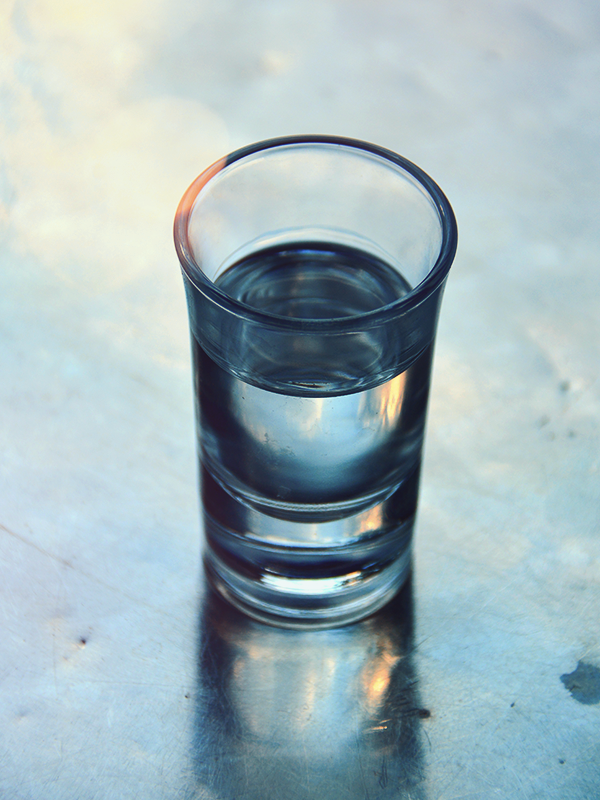
Pálinka is Hungary’s national spirit. It’s also the reason your Hungarian friend’s uncle still believes he’s immortal. Made from fruit, strong enough to sterilise a hospital, and deeply woven into the country’s culture, pálinka isn’t a casual drink, it’s a ritual.
Let’s break it down. No folklore, just facts (and the occasional shot glass).
So… What Is Pálinka?
Fruit brandy. But not the syrupy, peach-flavoured stuff they use in cocktails. Real pálinka is distilled from actual fruit mash; it has no extra sugar, nor additives.
Only pálinka made in Hungary (or a tiny slice of Austria for apricot) gets the official title. Everything else is just… brandy with a dream.
Common fruits:
Plum (szilva) – classic, dark, a bit brooding
Apricot (barack) – smooth and dangerously easy to drink
Pear (körte) – fruity with a clean finish
Quince (birs) – floral and oddly elegant
Cherry, apple, raspberry, walnut… yes, even that
Alcohol content: Usually around 40–55%. Enough to count as a conversation starter and finisher.
How Does It Taste?

Like fermented fruit with an agenda. Good pálinka carries real aroma — you should be able to smell the plum or apricot before you even sip it. The best ones have a warm, clean finish that hits your chest like a polite slap.
Cheap ones taste like regret. You’ll know.
How Do You Drink It?
Properly. This is not a shooter, unless you’re trying to impress someone you’ll never see again.
Here’s how it’s done:
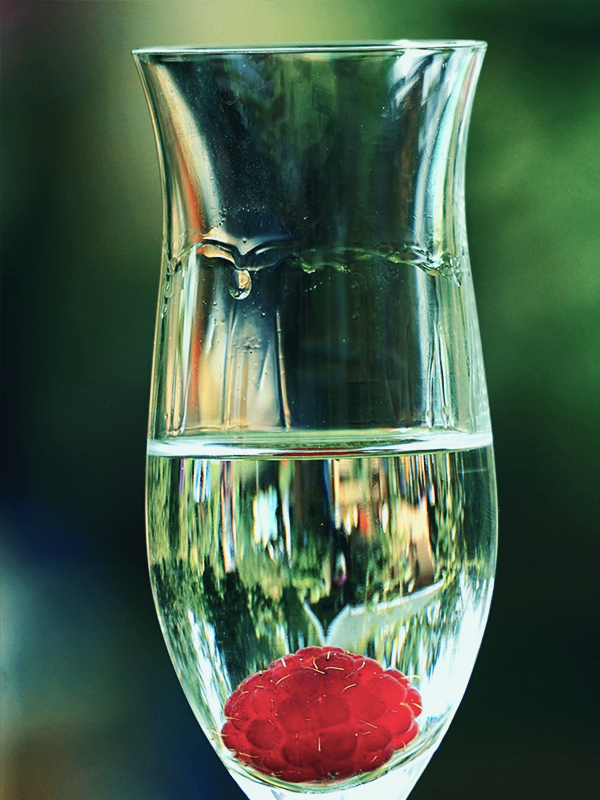
Served in a tulip-shaped glass (no, not a shot glass)
Room temperature
Sip, don’t slam
Sniff before you sip (yes, really)
When:
Before a meal (opens up the appetite)
After a meal (closes down your ability to move)
At weddings, funerals, or Mondays
As medicine, according to every Hungarian over 60
Hungarian Pálinka Culture in a Nutshell
It’s medicine. Or so they say. Cold? Pálinka. Headache? Pálinka. Romantic disappointment? Pálinka and denial.
It’s hospitality. Someone offers you pálinka? You drink it. Refusing is like saying their grandmother can’t cook.
It’s pride. Every region has “the best” pálinka. Every family has a cousin who distills it “better than the shops.” They're all lying, but it’s charming.
What Kinds Are There?
This isn't a one-size-fits-all situation. Pálinka comes in styles.
Kisüsti – double-distilled in a copper pot; the classic method
Ágyas – aged with whole fruit in the bottle (more aroma, less subtlety)
Érlelt or Ó – aged in wooden barrels, usually smoother, more refined
Törköly – made from grape pomace (think: Hungarian grappa)
Our Fave: Apricot Pálinka, Hands Down
It’s smooth, fruity, and doesn’t fight back. It’s also the one most likely to convince a first-timer that pálinka is “actually pretty good.”
Plum is a close second. Quince is a wildcard. Raspberry is a luxury. Apple’s… fine.
Where to Try Pálinka in Budapest
Whether you’re looking to sip like a local or burn off your taste buds, you’ve got options:
Bars & ruin pubs – Most places worth their salt (and livers) will have at least a few bottles.
Pálinka Tasting Rooms – Yes, those exist. Some even offer flights, because why suffer one aftershock when you can have six?
Markets – Farmers often sell homemade bottles (warning: strength may vary wildly).
We’re selling some too — If you're on one of our tours, ask. We’ve got options for you to discover.
Pálinka can be a challenge. Hungarians offer it when they like you (and sometimes when they don’t).
If you’re going to try it (and you should), do it right. Pick the fruit, respect the glass, and remember: it’s not about getting drunk.
While We’re at It… Fröccs & Wine Deserve a Mention
Hungary doesn’t stop at pálinka. If you’ve had your fill of fruit brandy (or your balance has), there are two other essentials worth knowing:
Hungarian Wine
Hungary has 22 wine regions, and at least 15 of them will swear they’re the best.
Try a crisp Olaszrizling, a bold Bikavér (yes, that means Bull’s Blood), or a smooth Kadarka. And don’t leave without trying Tokaji, the country’s legendary sweet wine, once served to kings and emperors and now to you, probably in a less formal glass.
Fröccs (Wine Spritzer, But Better)
Fröccs is what happens when Hungarians decide wine is great, but needs more bubbles and fewer rules. It’s wine and soda water, mixed in about a dozen different ratios, each with its own name, logic, and loyal following.
Perfect for long afternoons, casual drinks, or pretending to hydrate.
- Nagyfröccs – 2dl wine, 1dl soda
- Házmester – 3dl wine, 2dl soda
- Viceházmester – 2dl wine, 3dl soda
- Sportfröccs – 1dl wine, 4dl soda (aka: "I'm being good today")
Pro tip: when in doubt, ask for a nagyfröccs. Or just point confidently. It works.